A novel that follows a fallen landed family in Sardinia to explore tradition, modernization, honor, fate, and women’s lives. It renders attachment to the land and the strain of human relationships in a poetic yet grounded style.
A haunting novel about an older woman writing down the story of her life while a second narrative quietly reveals the pressures and secrets around her.
Join J. M. Coetzee and Thomas Keneally in rediscovering Nobel Laureate Patrick White In 1973, Australian writer Patrick White was awarded the Nobel Prize in Literature "for an epic and psychological narrative art which has introduced a new continent into literature." Set in nineteenth-century Australia, Voss is White's best-known book, a sweeping novel about a secret passion between the explorer Voss and the young orphan Laura. As Voss is tested by hardship, mutiny, and betrayal during his crossing of the brutal Australian desert, Laura awaits his return in Sydney, where she endures their months of separation as if her life were a dream and Voss the only reality. Marrying a sensitive rendering of hidden love with a stark adventure narrative, Voss is a novel of extraordinary power and virtuosity from a twentieth-century master. For more than seventy years, Penguin has been the leading publisher of classic literature in the English-speaking world. With more than 1,700 titles, Penguin Classics represents a global bookshelf of the best works throughout history and across genres and disciplines. Readers trust the series to provide authoritative texts enhanced by introductions and notes by distinguished scholars and contemporary authors, as well as up-to-date translations by award-winning translators.
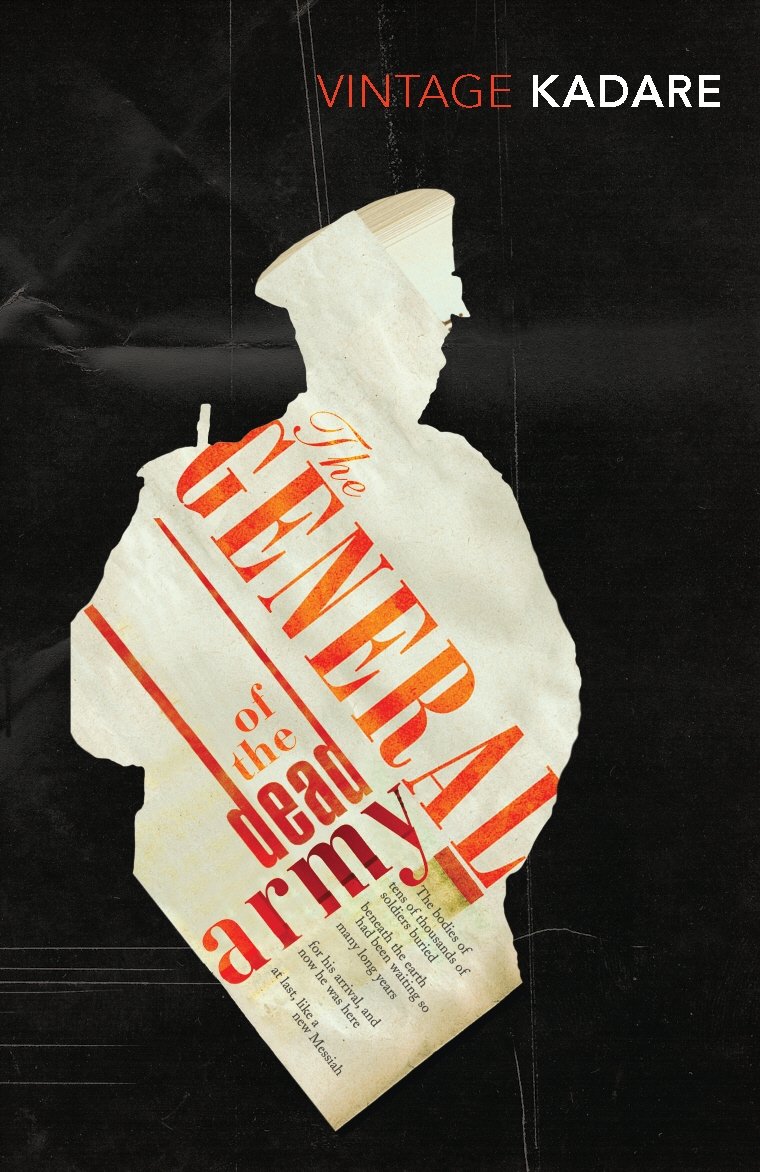
This sweeping epic of post-war Albania was Kadare’s first novel. Twenty years after the end of the Second World War, an Italian general is dispatched to Albania to recover his country’s dead. Once there he meets a German general who is engaged upon an identical mission and their conversations bring out into the open the extent of their horror and guilt, newly exacerbated by their present task. As they descend from the callous trivialities of their gruesome business, past and present, to suffering self-disgust, the author gives us glimpses of the lives of the people whose graves they are unearthing.