A landmark biography by historian Geoffrey C. Ward, drawing on thousands of original documents—many never before published—to trace Franklin Roosevelt's formative years. From his cloistered upbringing as a patrician youth to his emergence as a serious contender for the presidency, Ward chronicles FDR's early political career, his complicated marriage to Eleanor, and his extraordinary comeback from the paralysis of polio that would have ended a lesser man's public life.
Set against eighteenth-century Atlantic trade and slavery, this sweeping historical novel traces the conflict between greed and conscience among merchants and seamen. It shows how profit corrodes human relationships and moral judgment while pressing the question of historical responsibility.
An anthology of contemporary African American drama, collecting plays written mainly after 1975. It showcases the range of Black theater and frames the movement with an extensive introduction.
A picture book in which Willie, a music-loving boy, finds his own rhythm through his grandfather’s memories, African heritage, and the celebration of Kwanzaa.
The first Blanche White novel follows a middle-aged maid who becomes involved in a crime and investigates it while moving through tensions of race, class, and gender.
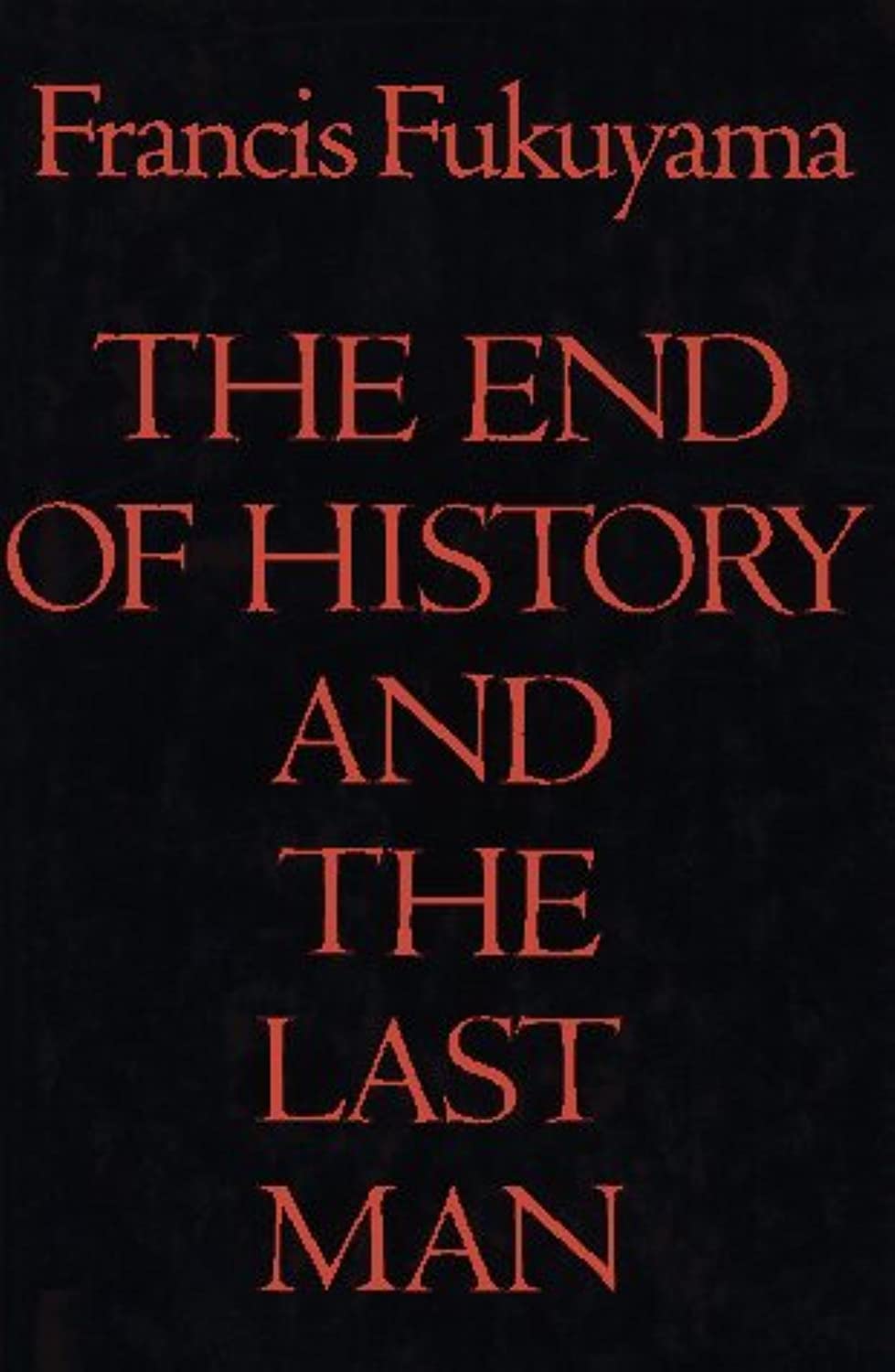
Observing totalitarian and authoritarian governments falling around the world, Fukuyama develops an hypothesis that the end state of all this change will be liberal democracy everywhere (The End of History), and considers how people will react (The Last Man).
In 1943 Nazi-occupied Copenhagen, ten-year-old Annemarie Johansen and her family shelter their Jewish friend Ellen Rosen from German soldiers. Drawing on the real history of the Danish Resistance, the story follows Annemarie as she becomes unexpectedly involved in an operation to smuggle nearly seven thousand Danish Jews across the sea to neutral Sweden. Written with restraint and clarity, the novel portrays the courage of ordinary people and the enduring power of friendship and solidarity in the face of occupation.
Centered on John Perkins after his return from the United States, the novel traces family ties, memory, and the unease of coming home. The tension between city life and domestic life builds through close observation and restrained dialogue.
NEW YORK TIMES BESTSELLER • ONE OF TIME ’S TEN MOST IMPORTANT NONFICTION BOOKS OF THE TWENTIETH CENTURY The “extraordinary” ( The New York Times ) autobiography of the legendary civil rights leader once called the most dangerous man in America—essential reading for anyone who wants to understand this nation’s history In the searing pages of this classic biography, Malcolm X, the Muslim leader, firebrand, and activist, tells the remarkable story of his life and the growth of the Black Muslim movement to veteran writer and journalist Alex Haley. Haley worked with Malcolm X for nearly two years; all the while, Malcolm did “not expect to live long enough to read this book in its finished form.” As clear-eyed about his own fate as he was about the plight of his community, Malcolm saw his truth-telling as a gift that would live beyond his own mortality. Raised in Lansing, Michigan, Malcolm Little journeyed on a road to fame as astonishing as it was unpredictable. Drifting from childhood poverty to petty crime, Malcolm found himself in jail. It was there that he encountered the teachings of the Black Muslim leader Elijah Muhammad. The newly renamed Malcolm X devoted himself body and soul to Islam, quickly becoming the Nation’s foremost spokesman. When his conscience forced him to leave the group, Malcolm founded the Organization of Afro-American Unity to spread an inspiring message of pride, power, and self-determination across the country. The Autobiography of Malcolm X stands as the definitive statement of a movement and a man whose work was never completed but whose message is timeless. This commemorative edition, published on the 100th anniversary of Malcolm X’s birth, is both a celebration of the lasting impact of his story and a chance to interrogate how far we’ve collectively come. In revisiting his incisive perspective on the lies and limitations of the American Dream, we gain extraordinary insight into the most urgent issues of our own time.
A landmark poetry collection that explores the relation between image and being, moving through loss, memory, the body, and absence in tightly compressed language. It serves as an early point of departure for Bonnefoy's poetic thought, tracing the outline of the world with quiet intensity.
A bilingual poetry anthology shaped by Chicano identity, displacement, and personal memory. The poems move between private experience and political belonging.