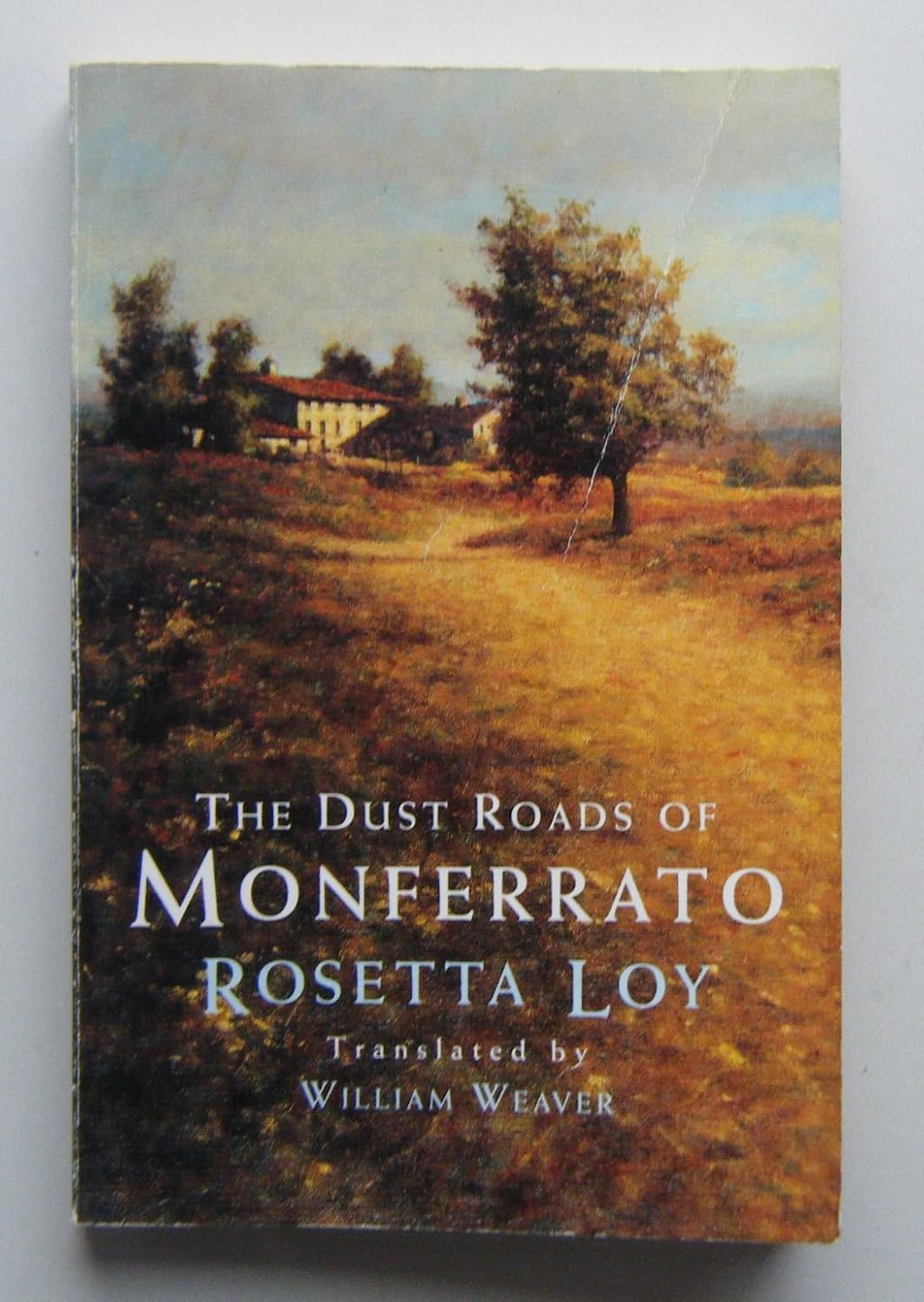
A historical novel that follows several generations of a family from Monferrato across a long span of time, from the aftermath of the Napoleonic wars to Italian unification. Rooted daily life and the pressure of history accumulate through love, betrayal, and loss.
A critique of the idea that IQ is an objective measure of intelligence, examining its ties to class, race, gender, and inequality. The book raises fundamental questions about testing culture.
A nonfiction portrait of a Buffalo bar and the Polish-American family behind it. Through one neighborhood business, the book traces urban change, work, and memory.
V. S. Naipaul's nonfiction travel book offers sharp observations of history, religion, and the many social layers of India. It balances personal reflection and analysis while tracing the legacy of colonialism, the contradictions of modernization, and regional life.
An art-historical monograph that reads Caravaggio's life and work through the intersections of documents, iconography, and the culture of his time. It traces the tension between violence and redemption, naturalism and religiosity, and places the painter's art in a fully historical frame.
Built around the life of the agricultural trade unionist Joseph Ashby, this biography also traces how village society in Warwickshire changed over time. By linking personal history with local history, it carefully follows the reshaping of rural England under modern pressures.
Marilyn Nelson's poetry collection expands personal history into African American history through family memory, especially her mother's stories and the history of the Tuskegee Airmen.
A wide-ranging collection of intellectual essays exploring the transformation of culture and technology in the twentieth century. Crossing five domains — nature, history, language, art, and human evolution — the book examines how technology has fundamentally altered human values and ways of thinking. Drawing on the new science of chaos, computer art, and Baconian empiricism, it traces how modern people have, like figures disappearing through a skylight, drifted ever further from traditional conceptions of nature and culture. Written by a former director of the Folger Shakespeare Library, this stimulating work of cultural criticism blends literary scholarship with a deep engagement with science.