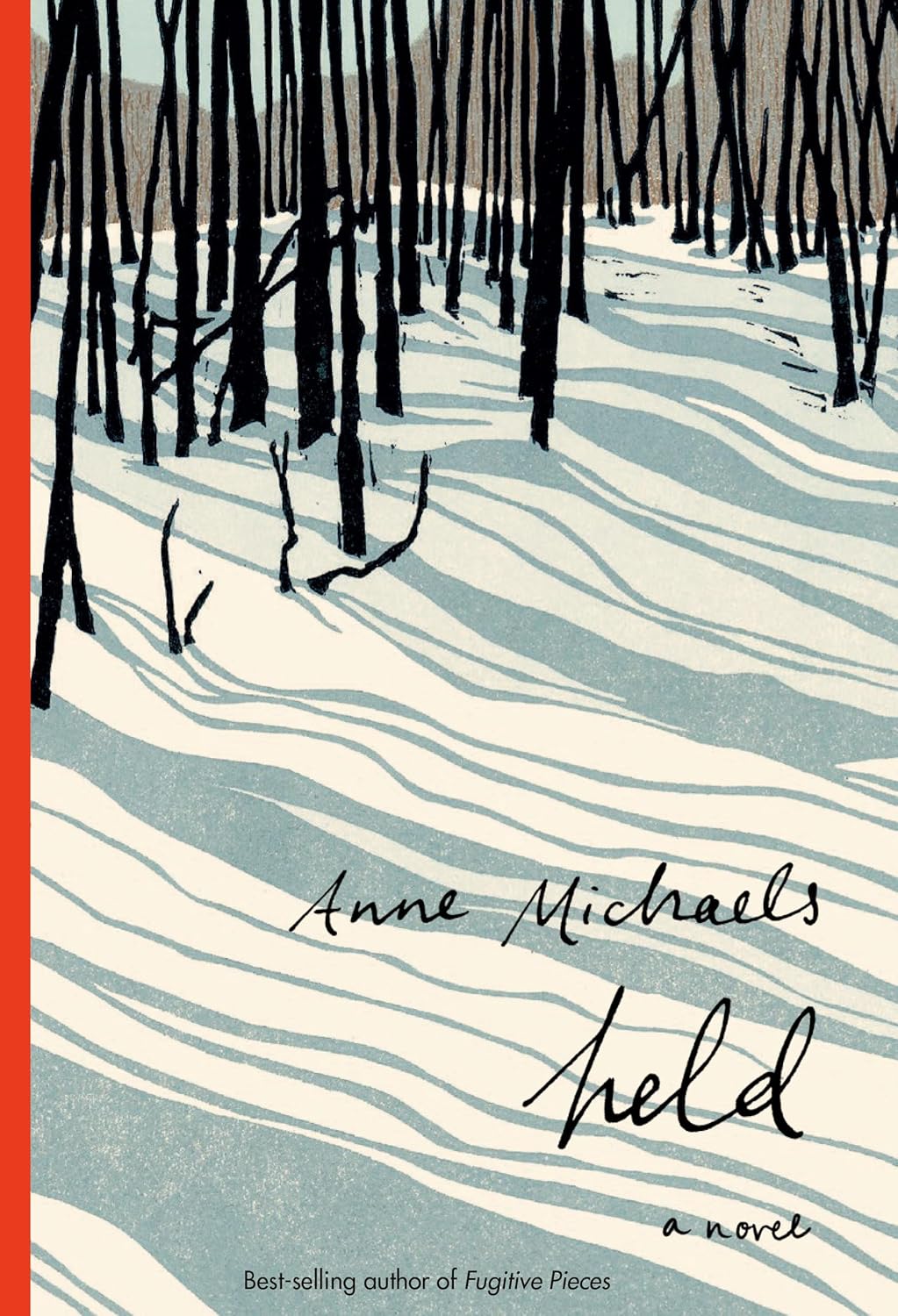
Beginning on a World War I battlefield and expanding across four generations, this novel traces a family's connections over the course of the twentieth century. War damage, memory, love, loss, and the invisible things captured in photographs are woven together in a poetic and finely controlled style.
It is praised as nonfiction that brings a Cold War turning point to life through testimony and on-the-ground detail. Because the historical explanation is substantial, some readers find it slightly lecture-like.
Taking its title from a Northern Sami word for land or earth, this epic novel in verse follows two Sami families. Through voices crossing generations, it portrays memories fractured by borders, assimilation policy, schooling, and development, asking how lost land and culture may be reclaimed.
Drawing on Islamic jurisprudence and social experience, the book asks how a Muslim woman's labor and contribution to family wealth should be recognized. It organizes contemporary debate around economic justice within the family and its legal grounding.
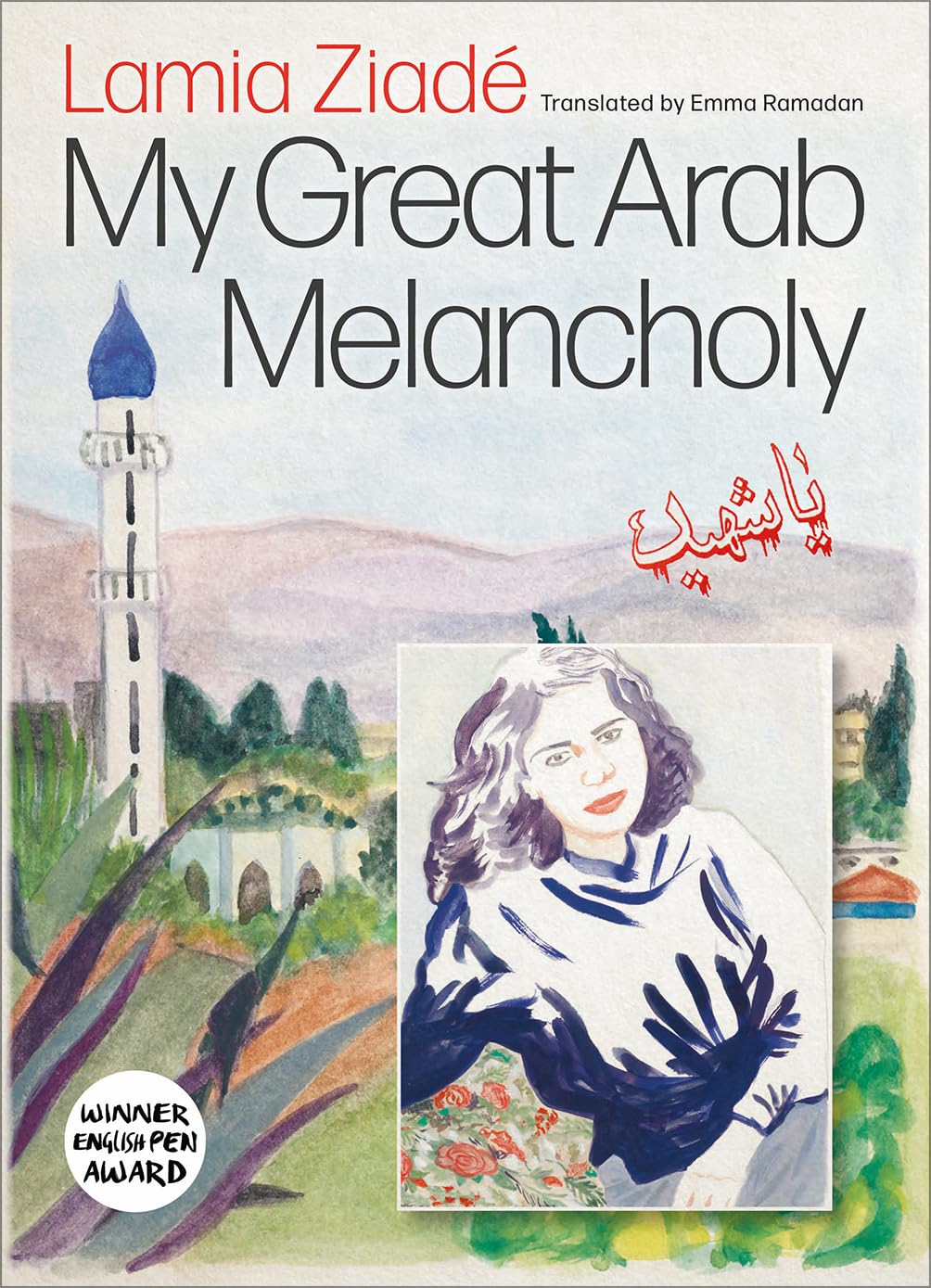
Lebanese writer and illustrator Lamia Ziadé layers personal memory with extensive research to trace the history and losses of the Middle East from the twentieth century to the present. The result feels like an archive of memory in which prose and image work together.
It is praised as a novel that explores exile and the loss of friendship through a restrained voice. The spare style leaves a strong impression, though some readers wish for a little more momentum.
A wealthy family’s birthday weekend at a winery estate spirals into jealousy, betrayal, and violence. The novel uses a locked-room feel and shifting family loyalties to sustain tension all the way through.
In the fictional Gulf Coast village of La Matosa, the body of a woman known as the Witch is found in an irrigation canal. Through overlapping voices, the novel traces the loneliness, violence, poverty, and misogyny surrounding the murder and the lives drawn into its wake.
Then I felt his warm hand grow cold, it was as if he had been reminded of death. He wasn't looking at me any more, but obliquely, across the restaurant. I turned round.' Sarah has been receiving threatening anonymous letters, seemingly from a former lover. Just one day after revealing this information to her co-worker Nancy, Sarah is found shot in her bedroom by one of her past flames, Donald. Hearing the news and desperate to clear any evidence of Donald's presence at the scene due to her own infatuations, Nancy finds herself as the key suspect when she is discovered in the apartment. As the real killer uses the situation to their advantage, Bennett crafts a tense and nuanced story through flashbacks to Sarah's life and loves in this Gold-Dagger-award-winning, Hitchcockian story of deceit and murder.
Tracing movement from Iran through youth in America to a present life in Scotland, this debut collection follows the feeling of migration and belonging. It asks what home means, and what we carry with us as we leave one place for another.
Set in an Ireland sliding toward authoritarian rule, the novel follows a mother trying to keep her family safe. Its long, pressurized sentences and escalating political dread sharpen the sense of ordinary life slowly collapsing.