E. Franklin Frazier traces the formation of African American family life across slavery and the early twentieth-century migration to the cities in this classic historical and sociological study.
Set on Barrayar, the political and cultural center of the Vorkosigan universe, the novel depicts the clash between feudal custom and modernization, and the responsibilities of family and state. Through blood ties, loyalty, and political conflict, it probes personal morality and social structure.
A history of Bloomfield Academy, the Chickasaw girls' school, traced through oral testimony and archival records. The book shows how education could function as a means of cultural survival rather than simple assimilation, following the school from its founding through major shifts in control.
Set in the 28th century, seven pilgrims journey to the planet Hyperion on the eve of an interstellar war, each carrying a desperate hope and a terrible secret. Structured as a frame narrative inspired by Chaucer's Canterbury Tales, the pilgrims take turns telling the stories that brought them to seek the Shrike, a mysterious and deadly creature guarding the Time Tombs—enigmatic structures moving backward through time. A landmark of science fiction that weaves together themes of faith, parenthood, artificial intelligence, and the fate of humanity.
Taken by her estranged father to South Africa, where her sister was murdered, Berry faces family rupture and the possibility of reconciliation while carrying anger and grief. The short novel condenses sorrow and the possibility of reconnection into a tight form.
Jean-Paul Sartre's first published novel, Nausea is both an extended essay on existentialist ideals, and a profound fictional exploration of a man struggling to restore a sense of meaning to his life. This Penguin Modern Classics edition is translated from the French by Robert Baldick with an introduction by James Wood. Nausea is both the story of the troubled life of an introspective historian, Antoine Roquentin, and an exposition of one of the most influential and significant philosophical attitudes of modern times - existentialism. The book chronicles his struggle with the realisation that he is an entirely free agent in a world devoid of meaning; a world in which he must find his own purpose and then take total responsibility for his choices. A seminal work of contemporary literary philosophy, Nausea evokes and examines the dizzying angst that can come from simply trying to live. Jean-Paul Sartre (1905-1980) was an iconoclastic French philosopher, novelist, playwright and, widely regarded as the central figure in post-war European culture and political thinking. Sartre famously refused the Nobel Prize for literature in 1964 on the grounds that 'a writer should not allow himself to be turned into an institution'. His most well-known works, all of which are published by Penguin, include The Age of Reason, Nausea and Iron in the Soul. If you enjoyed Nausea, you might like Albert Camus' The Outsider, also available in Penguin Modern Classics. 'One of the very few successful members of the genre "Philosophical Novel" ... a young man's tour de force' Iris Murdoch
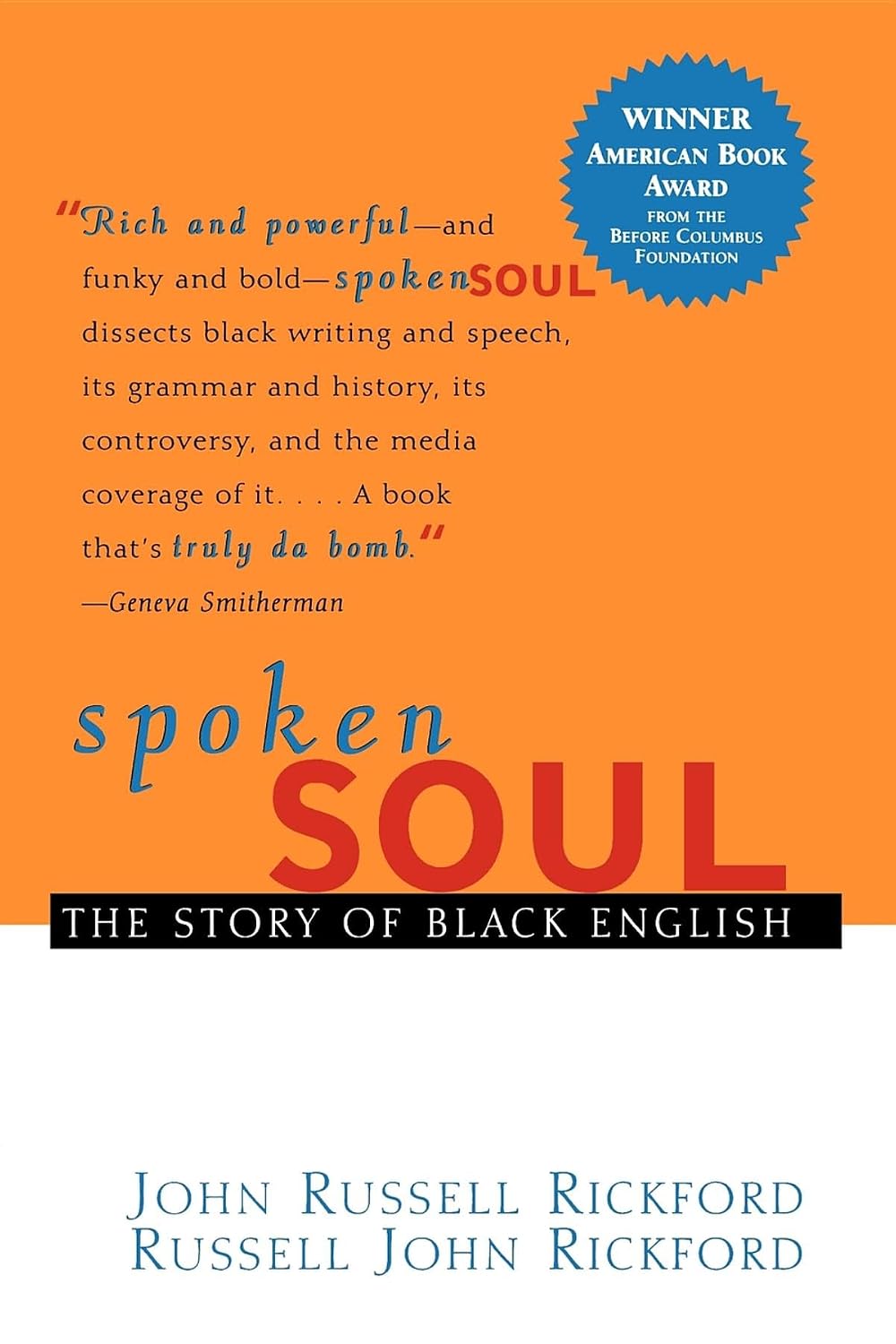
A concise introduction to the history and features of African American Vernacular English, showing how Black English lives in literature, music, religion, and everyday speech while also addressing language prejudice and identity.
A philosophical essay that criticizes contemporary entitlement and the culture of dependency while rethinking the relation between freedom and responsibility. It argues that innocence can become a tempting refuge from the burdens of freedom.